
Boost throughput, cut downtime and grow margins, without the guesswork
Optimize Your Operations Today
Your production floor doesn't stop. Machines keep running, operators keep working, and orders keep moving.
But control doesn't disappear all at once — it fades in small moments no one notices in time.
A machine sits idle for 20 minutes before anyone reacts.
A job falls behind while the next operation continues as planned.
A priority change happens in planning, but the operator is still following the old instruction.
A slowdown spreads across a line before output signals it.
A quality issue is only discovered after the batch is already complete.
In manufacturing, delays rarely start as major failures — they start as invisible gaps.
And by the time they surface, they've already moved across multiple work centers, affecting output, delivery, and efficiency.
Most production problems are not breakdowns. They are late reactions.
Production must stay aligned with what is happening on the floor — not what is discovered after the fact.
From order release to AI-driven optimization, here's how your production floor operates when everything is connected, visible, and intelligently managed.
A production order is created and automatically assigned to a machine based on routing logic, available capacity, and material readiness. No manual planning, job allocation, or scheduling decisions are required before production begins.
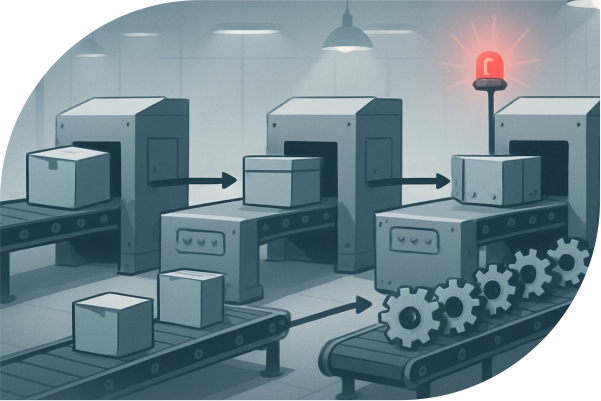
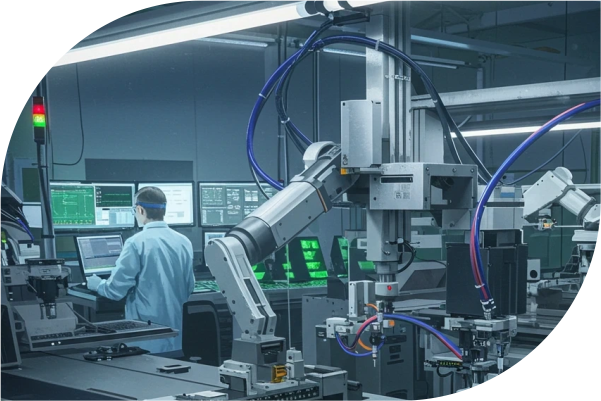
Machines and operators start production immediately. Cycle times, output quantities, and downtime events are captured in real time directly from the shop floor, removing manual reporting, shift-end updates, and delayed data entry entirely.
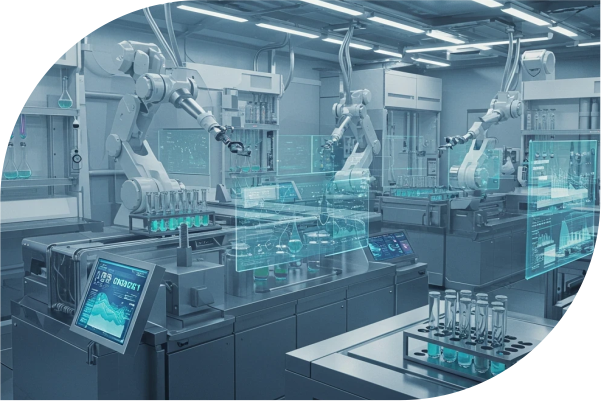
Every production order is tracked continuously as it moves through work centers. Status updates are live, and emerging bottlenecks or slowdowns are recorded instantly instead of appearing later in shift-end reports or manual summaries.
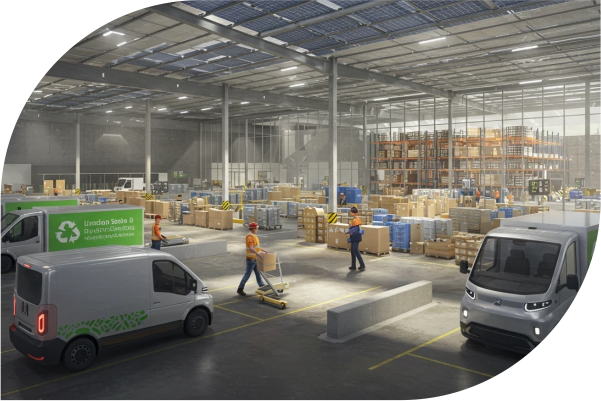
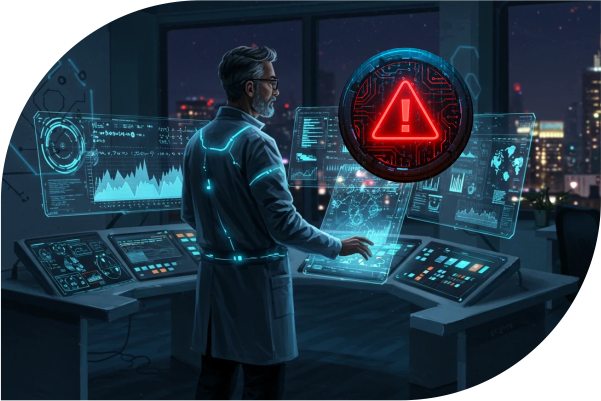
When a machine stops, output drops, or production slows, the system generates an immediate alert and notifies relevant users. Issues are identified and escalated during the disruption, not after production impact has already occurred.

Machine capacity, operator workload, and material flow are continuously evaluated. When imbalance is detected, work is redistributed dynamically to reduce idle time, prevent overloading, and maintain steady, optimized production flow across all active work centers.

Production parameters are monitored continuously across all operations. Any deviation from defined thresholds is detected in real time, and non-conforming output is flagged immediately before it progresses further in the production process or reaches downstream stages.

The system continuously analyzes production patterns, identifying recurring delays, downtime trends, and inefficiencies. Based on learned operational behavior, scheduling adjustments and process improvements are recommended automatically to improve overall production performance.


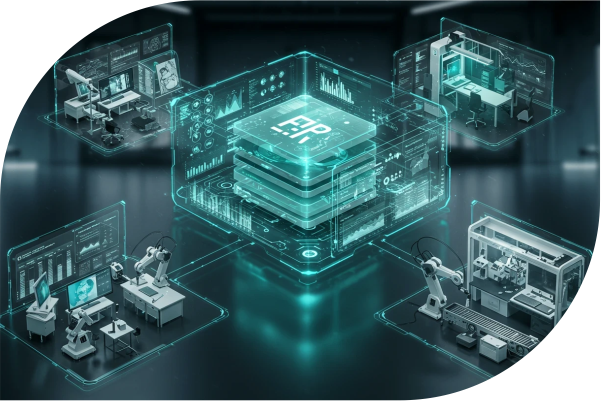
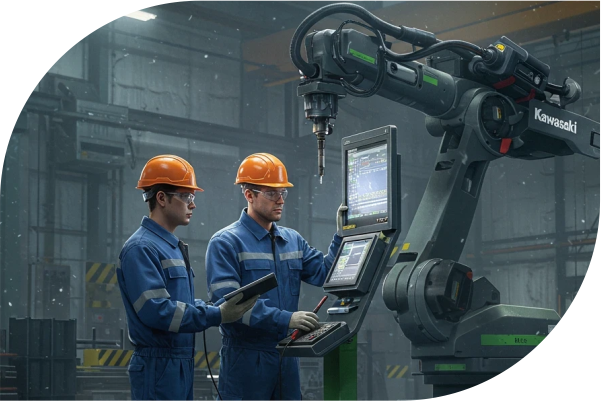
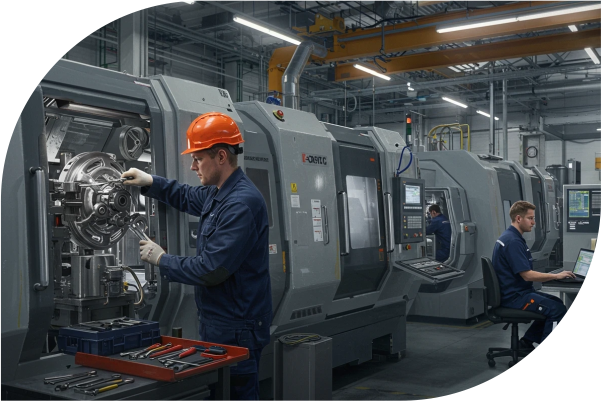

See live job progress, machine status, and work order execution across the shop floor. Quickly identify delays, understand what's happening on the ground, and keep production moving without relying on manual updates.
Plan production based on real machine capacity, labor availability, and material readiness. Reduce bottlenecks, improve utilization, and ensure work orders are executed in the right sequence.
Connect inventory directly with production execution. Ensure materials are available when needed, reduce shortages, and avoid excess stock sitting idle in the system.
Track production costs, variances, and operational impact as work happens. Ensure materials are available when needed, reduce shortages, and avoid excess inventory buildup.
| Feature | VLC Production Optimization | Traditional MES |
|---|---|---|
| ERP Integration | ✓ Native (Business Central) | ✗ Requires middleware |
| Real-Time Visibility | ✓ Live machine + operator data | ⚠ Delayed / fragmented |
| AI Optimization | ✓ Embedded AI engine | ⚠ Limited or add-on |
| Resource Coordination | ✓ Real-time dynamic control | ⚠ Manual coordination |
| Deployment Time | ✓ ~4 days | ✗ Weeks to months |
| Production Scheduling | ✓ AI-driven auto adjustment | ⚠ Manual planning |
| Downtime Alerts | ✓ Predictive alerts | ⚠ Reactive alerts |
| Scalability | ✓ Multi-plant ready | ⚠ Limited scale |
| Cost Management | ✓ Real-time financial sync | ⚠ Separate systems |
Watch how production flows from order release to optimized execution — in real time.
Connect your shop floor to Business Central and start making real-time, data-driven decisions today.